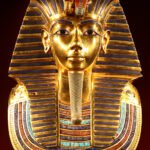
Ramesses II, Ramses the Great, is the pharaoh you will meet at almost every stop of an Egypt trip
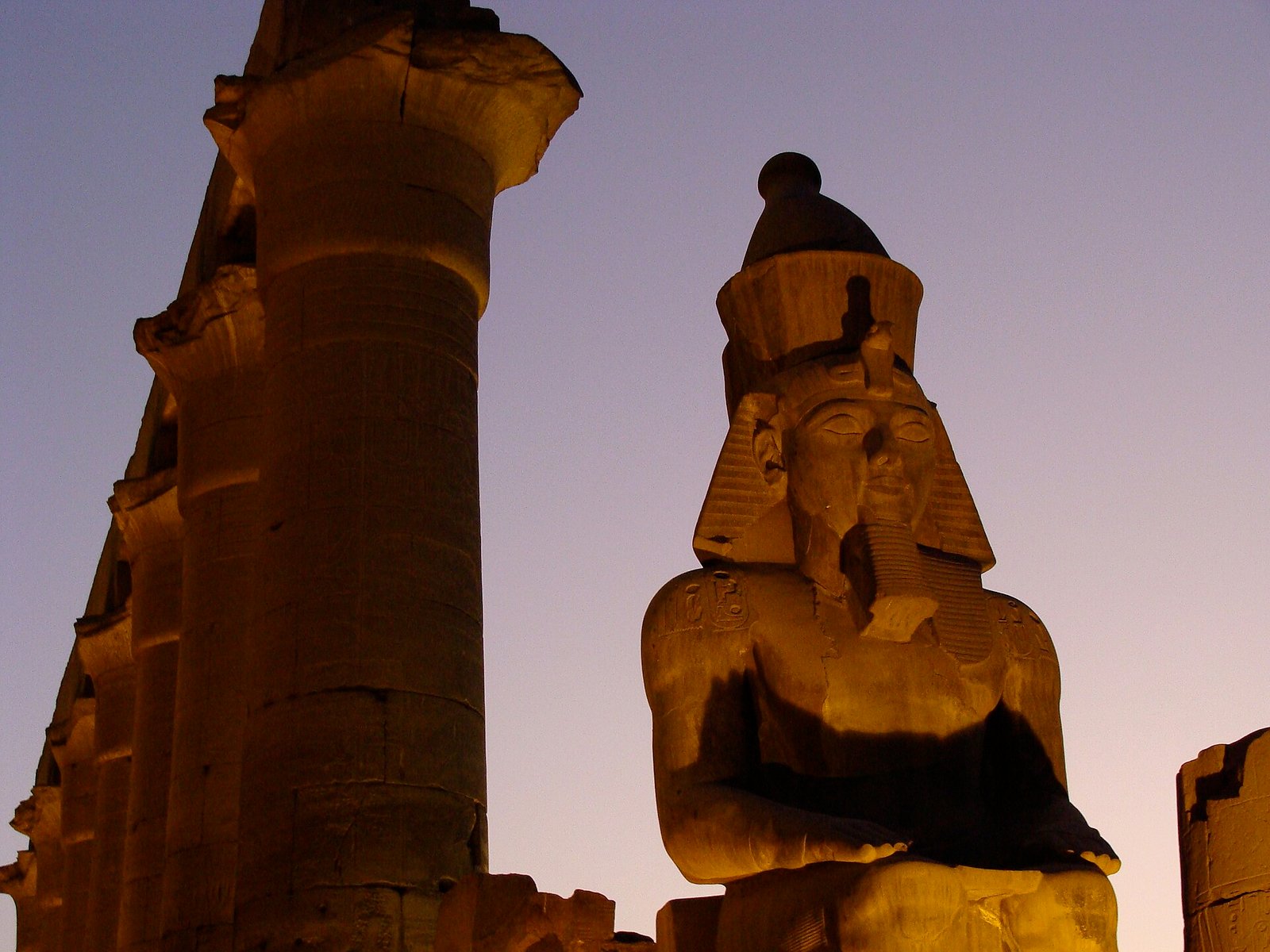
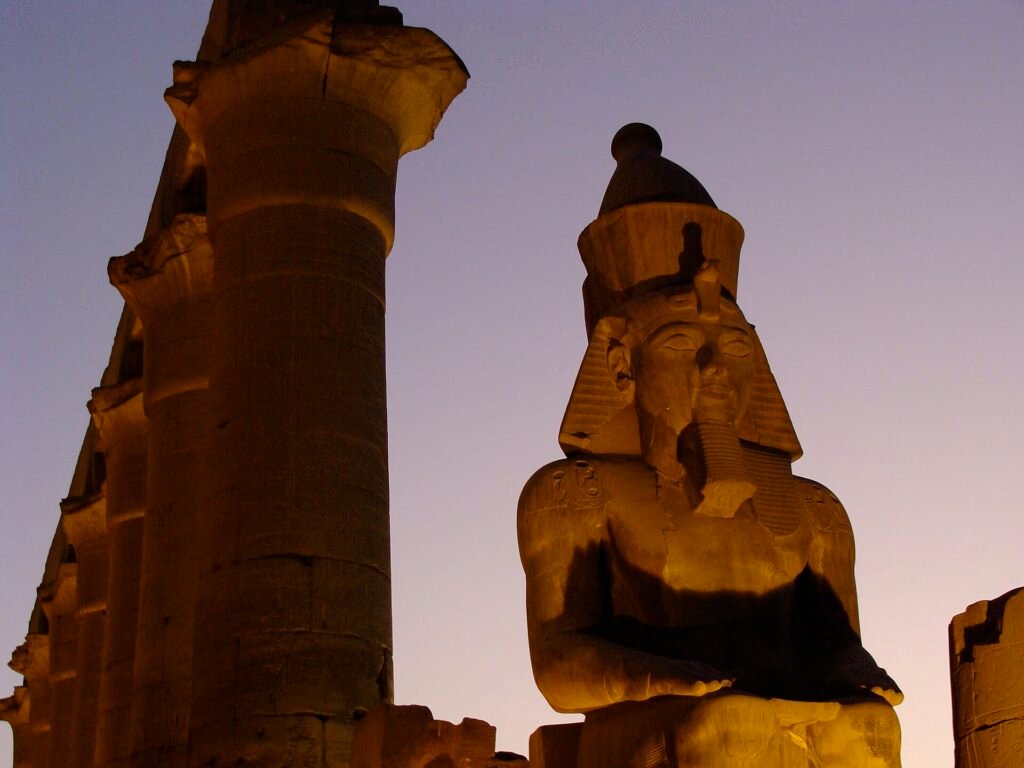
Ramesses II, Ramses the Great, is the pharaoh you will meet at almost every stop of an Egypt trip
Ramesses II ruled Egypt for about 66 years in the thirteenth century BC, third king of the 19th Dynasty and the one later generations simply called the Great. He fought the Hittites at Kadesh, signed the earliest peace treaty whose text survives, married Nefertari, fathered around a hundred children and put his name on more stone than any pharaoh before or after him: Abu Simbel, the Ramesseum, Luxor Temple, the hypostyle hall at Karnak, the colossi of Memphis. His mummy, flown to Paris for treatment in 1976, now lies in the National Museum of Egyptian Civilization in Cairo. This guide covers the man, the myths and where to stand in front of him.
Who Ramesses II was, in the numbers that matter
Ramesses II was born into a military family that had only just become royal. His grandfather Ramesses I was a general who took the throne when the 18th Dynasty ran out of heirs; his father was Seti I. Ramesses was named co-regent as a teenager and crowned in his mid twenties, around 1279 BC.
He then reigned for roughly 66 years, until about 1213 BC, and died around the age of ninety in a period when most people did not reach forty. He outlived twelve crown princes and was succeeded by the thirteenth, Merneptah, already an old man himself.
His throne name, Usermaatre, was garbled by the Greeks into Ozymandias. Nine later kings of the 20th Dynasty took the name Ramesses in his honor. When a label says Ramesses the Great, it always means this one, the second. Our guide to the pharaohs as god kings of the Nile sets him next to Hatshepsut, Akhenaten and Tutankhamun.
Kadesh and the first peace treaty in recorded history
The defining event of his reign came in his fifth year, around 1274 BC. Ramesses marched four divisions, named for the gods Amun, Ra, Ptah and Set, into what is now Syria to take the city of Kadesh on the Orontes river from the Hittite empire. Two captured bedouin told him the Hittite army was far away near Aleppo. They were Hittite plants.
The Hittite chariots were hidden behind the city. They smashed into the Ra division on the march, then hit the royal camp while Ramesses was setting up. By his own account the king was abandoned by his troops, called on Amun and charged alone until reinforcements arrived. The ambush at least is confirmed by Hittite records.
The result was a draw between two exhausted powers, and Kadesh stayed Hittite. Ramesses went home and had the battle carved, with the same text and scenes, on the walls of Abu Simbel, the Ramesseum, Luxor and Karnak, as a crushing personal victory.
The treaty with Hattusili III
The historic part came sixteen years later, when Ramesses and the Hittite king Hattusili III agreed a treaty of peace and brotherhood: no invasion, mutual defense if attacked, return of fugitives. The silver originals are lost, but the Egyptian text is carved at Karnak and the Hittite version survives on clay tablets from Hattusa in Turkey. It is the earliest peace treaty readable in full from both sides, and a replica hangs at the United Nations in New York. Ramesses later married a Hittite princess to seal it.
Nefertari and a family of around a hundred children
Ramesses had several Great Royal Wives over 66 years, but one is inseparable from his name. Nefertari married him before he was king, wrote to the Hittite queen in her own name, and stands on the facade of the small temple at Abu Simbel at the same height as her husband. In Egyptian art the queen is usually knee high to the king. Equal height was a statement.
Her tomb, QV66 in the Valley of the Queens, is widely considered the most beautifully painted tomb in Egypt, found in 1904 by Ernesto Schiaparelli, robbed of its treasures but not its walls. Access is restricted to protect the paint, it needs a separate ticket and the conditions change, so ask us what applies on your dates.
Isetnofret, the other principal wife, was the mother of Merneptah. Tradition credits Ramesses with around a hundred children. KV5, the tomb built for his sons in the Valley of the Kings, turned out in the 1990s to be the largest in the valley, with well over a hundred chambers. It is a working excavation, closed to visitors, a few steps from Tutankhamun's.
The builder: Abu Simbel, the Ramesseum and Pi-Ramesses
No pharaoh built as much as Ramesses II. Three projects show the scale.
Abu Simbel
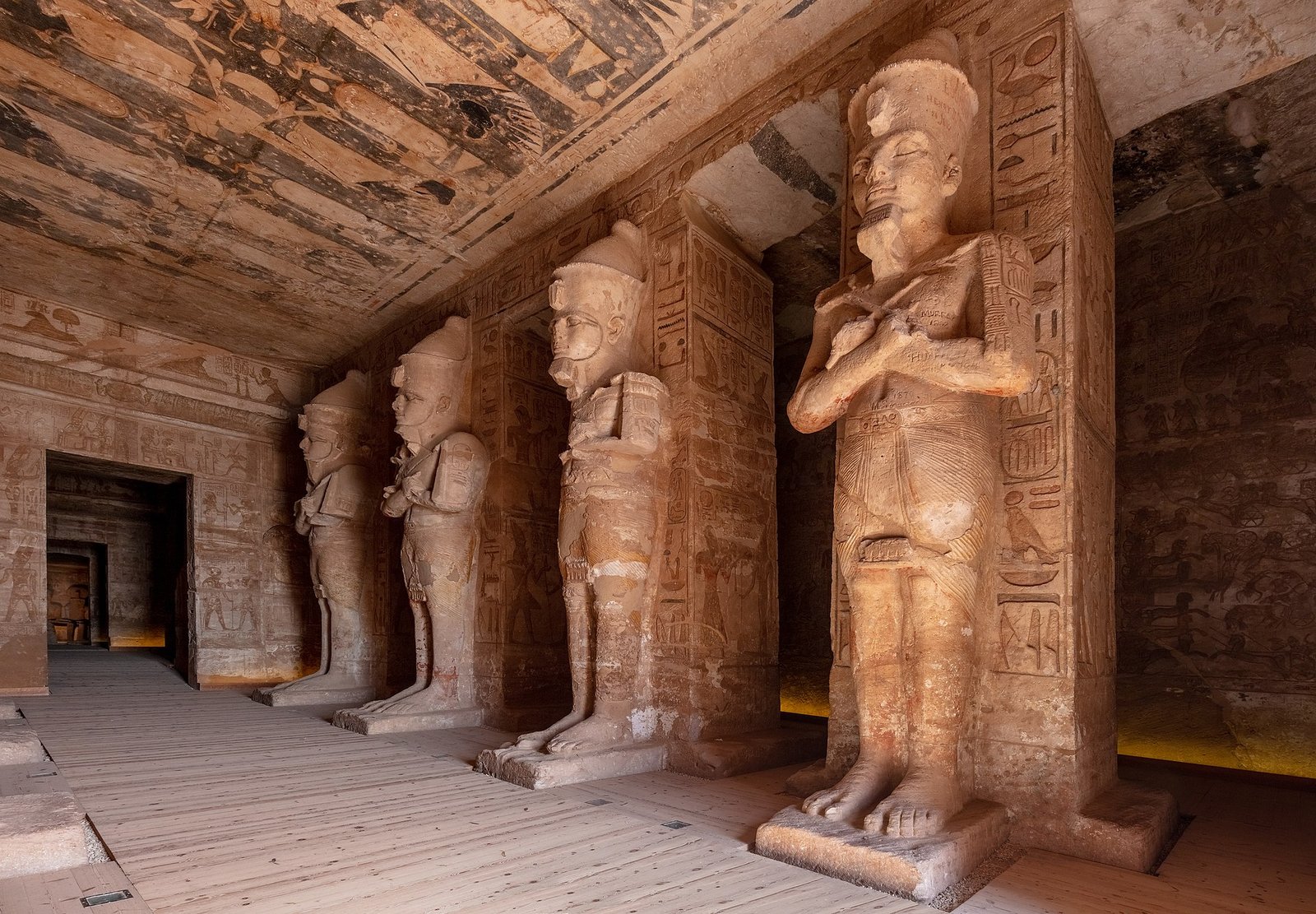
Two temples cut into a sandstone cliff in Nubia, facing the sunrise. Four seated statues of Ramesses about 65 feet high front the great temple; one lost its upper body in an ancient earthquake. Inside, the axis runs to a sanctuary where Ramesses sits as a god beside Amun-Ra, Ra-Horakhty and Ptah. Twice a year, around February 22 and October 22, the rising sun reaches the sanctuary and lights three of the four figures, leaving Ptah, god of the underworld, in shadow. The small temple next door is dedicated to Hathor and Nefertari.
In the 1960s the whole site was sawn into more than a thousand blocks and reassembled about 65 meters (over 200 feet) higher to escape Lake Nasser, under a hollow concrete dome dressed as the original cliff. Look closely inside and you can trace the cut lines. Our guide to Abu Simbel tickets and how to visit covers the road from Aswan, and the Abu Simbel sun festival page explains the alignment.
The Ramesseum
His mortuary temple on the west bank at Luxor. The pylon carries Kadesh, part of the columned hall stands, and in the first court lies the wreck of a seated granite colossus that once rose close to 60 feet and weighed an estimated thousand tons. Word of that fallen giant reached the poet Shelley and became Ozymandias. Our page on the Ramesseum explains why it is the quietest great temple in Luxor.
Pi-Ramesses
His new capital in the eastern Delta, closer to the Syrian frontier. Two centuries later the Nile branch that fed it silted up and the 21st Dynasty carted its statues and obelisks to Tanis. The site near Qantir is farmland today. Leave it off your itinerary; the pieces are at Tanis and in museums.
Luxor Temple, Karnak, Memphis and the statues he took from other kings
On a standard Cairo, Luxor and Aswan trip you walk past his work almost every day.
At Luxor Temple he added the entire front: the first pylon carved with Kadesh, the great court ringed with his statues, and a pair of granite obelisks at the gate. Only one is there now; the other was given to France in the 1830s and stands in the Place de la Concorde in Paris.
At Karnak the Great Hypostyle Hall, 134 columns big enough to hold a cathedral, was begun by Seti I and finished under Ramesses. You can see where the reign changed: Seti's northern half is fine raised relief, and Ramesses switched to sunk relief on the south side, faster to cut and far harder for a successor to erase. That was the point.
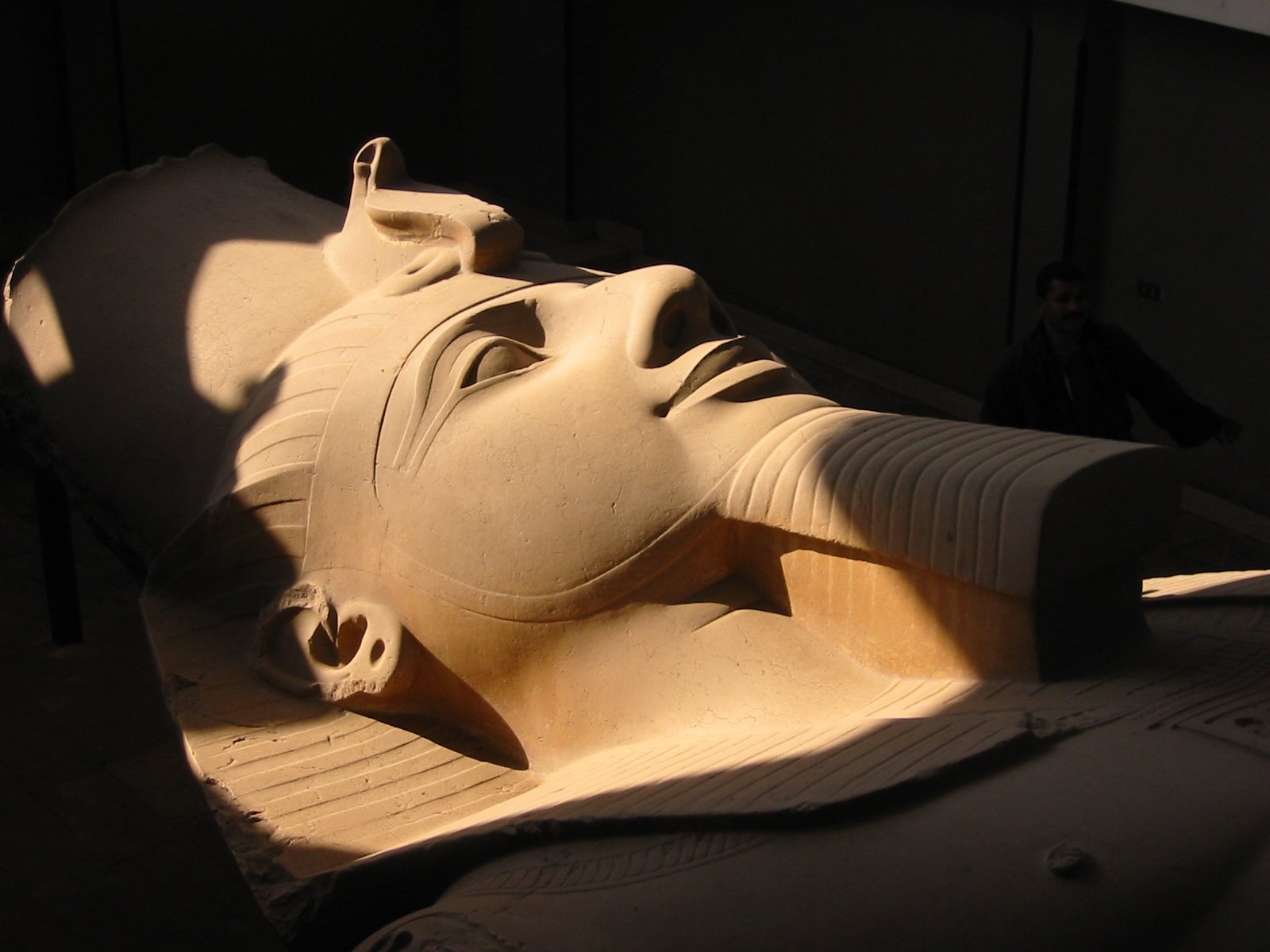
At Memphis, near Saqqara, a limestone colossus of Ramesses lies on its back in a viewing shed at the Mit Rahina open air museum, one of his best surviving portraits. Its red granite twin stood for fifty years in Ramses Square outside Cairo's main train station before it was moved to the entrance atrium of the Grand Egyptian Museum, where it is the first thing you see.
The usurped statues
A surprising number of statues carrying his cartouche were carved for someone else. Ramesses took statues of Middle Kingdom kings, recut the faces and inscribed his own names so deep that nobody could do the same to him. Other pharaohs did this, but nobody at his scale, which is why his presence in the Egypt you visit is larger than even 66 years would justify.
How to read a Ramesses wall: the propaganda machine
The most modern thing about Ramesses II is not what he did but how he told it. He understood that one message, repeated on every surface for decades, becomes the truth. Kadesh was at best a draw; in stone it is the greatest victory of all time, carved identically in temples hundreds of miles apart, and read as history for three thousand years.
Once you know the pattern you can read any wall of his in a minute:
- The king at giant scale in his chariot, reins around his waist, bow drawn, larger than the city he attacks.
- Enemies drawn small and in chaos, falling from the walls, drowning in the Orontes.
- The two beaten spies under interrogation, so the viewer knows the ambush was not the king's fault.
- The god Amun handing over the curved sword of victory.
- His cartouches everywhere, cut deep, often over an earlier king's name.
Spot those five at Abu Simbel, then again at the Ramesseum and Luxor, and you understand how he governed.
The mummy: from the Valley of the Kings to Paris to the NMEC
Ramesses was buried in KV7 in the Valley of the Kings, a large tomb since wrecked by flash floods and normally closed. Priests of the 21st Dynasty rewrapped the body and hid it with dozens of other kings in a cliff tomb above Deir el Bahari, where it stayed until the cache was found and taken to Cairo in 1881.
His face is unmistakable: a long nose held in shape by peppercorns and resin, a strong jaw, thinning hair that examiners found was naturally reddish and dyed with henna in old age. The body shows a man of about ninety with arthritis, hardened arteries and dental abscesses, tall for his time at around five foot seven.
The 1976 trip to Paris
By the 1970s the mummy was deteriorating from fungal growth, and Egypt sent it to France for treatment. In September 1976 Ramesses II was flown to Paris, received at Le Bourget airport with the honors due to a head of state, studied at the Musee de l'Homme and sterilized with gamma radiation before returning to Cairo the following year. The story that he traveled on a passport listing his occupation as King is in every guidebook; the reception on the tarmac is the part the photographs prove.
Where he is now
In April 2021 the mummy was moved from the Egyptian Museum on Tahrir Square with 21 other royal mummies in a televised night parade to the National Museum of Egyptian Civilization in Fustat, Old Cairo. He rests in the Royal Mummies Hall, a darkened underground gallery built to feel like a tomb, where photography is not permitted. It is the one place in Egypt where you stand before the man rather than his image.
Ramesses II and the Exodus: a tradition, not a record
American visitors ask about this more than anything else, usually because of Yul Brynner in The Ten Commandments. The association is old and understandable: the Book of Exodus says the Israelites built a store city called Raamses, and since Ramesses II founded Pi-Ramesses, tradition made him the pharaoh of the Exodus.
The honest position is that no Egyptian text, from his reign or any other, mentions the Exodus, and the biblical account was written down long afterward. The one inscription that touches the subject is a victory stele of his son Merneptah, now in the Egyptian Museum, which lists Israel among peoples already in Canaan around 1208 BC. Scholars read that several ways; nobody can point to a wall that records the Exodus.
So treat the link as tradition rather than fact. A good guide tells you what the stones say and where the story comes from without pretending one is the other.
Where to see Ramesses II on a trip, site by site
Almost everything sits on the classic Cairo, Luxor and Aswan route, with Abu Simbel as the one long day out. North to south:
| Site | Where | What Ramesses left there | Worth it? |
|---|---|---|---|
| Grand Egyptian Museum | Giza | The red granite colossus in the entrance atrium | Essential |
| National Museum of Egyptian Civilization | Fustat, Old Cairo | His mummy in the Royal Mummies Hall | Essential |
| Memphis, Mit Rahina | Near Saqqara | The reclining limestone colossus and a sphinx | Yes, combined with Saqqara |
| Luxor Temple | Luxor east bank | First pylon, the court of colossi, the surviving obelisk | Essential, best at dusk |
| Karnak | Luxor east bank | The Great Hypostyle Hall, the treaty text | Essential |
| The Ramesseum | Luxor west bank | Mortuary temple, the fallen Ozymandias colossus | Yes, and it is quiet |
| Valley of the Kings | Luxor west bank | KV7, his tomb, usually closed; KV5, his sons' tomb, under excavation | Seen from outside |
| Valley of the Queens | Luxor west bank | QV66, the tomb of Nefertari | Yes, if open and you get the special ticket |
| Abu Simbel | Nubia, south of Aswan | The great temple and the temple of Nefertari | Essential, the reason to go this far south |
One note: the Grand Egyptian Museum and the NMEC are on opposite sides of Cairo and each deserves half a day, so do not try both between the Pyramids and dinner. Our Grand Egyptian Museum guide has the detail.
How Explora Egipto builds a Ramesses-themed route
We are a local agency in Egypt with our own Egyptologist guides and vehicles, and a Ramesses route is easy to design because every site is a real stop on the classic circuit. Over eight to ten days it runs like this.
- Cairo, two days. The Grand Egyptian Museum first, so the colossus in the atrium is your first Ramesses. Next morning Saqqara and Memphis for the reclining colossus, then the NMEC late afternoon for the mummy, when the hall is calmer.
- Domestic flight to Aswan, then Abu Simbel. We arrange the early transfer and a guide with time to walk you through the Kadesh hall and the sanctuary, not a thirty minute stop.
- Nile cruise or road to Luxor. Kom Ombo and Edfu show the Kadesh formula still being copied a thousand years on.
- Luxor west bank, one full day. The Ramesseum first while it is empty, then the Valley of the Kings with a stop at the KV5 entrance, then Nefertari's tomb where access allows.
- Luxor east bank. Karnak in the morning to read Seti's half and Ramesses's half of the hypostyle hall side by side, and Luxor Temple at sunset when the court of colossi is lit.
The guide is the same person for the whole of Luxor so the story builds. This route has no published price, so ask us for the quote with your dates and we send it back with the day by day plan.
Frequently asked questions
Why is Ramesses II called the Great?
Because of a 66 year reign, the peace with the Hittites and a building program bigger than any other pharaoh's. Nine kings of the next dynasty took his name and Greek and Roman writers repeated his legend. The title is the verdict of everyone who came after, and the sheer amount of him still standing keeps it alive.
Did Ramesses II win the Battle of Kadesh?
Not in any meaningful sense. His army was ambushed, he rallied the survivors, reinforcements saved the day and both sides withdrew. Kadesh stayed Hittite. The walls call it a total victory because he ordered them to. The real achievement came sixteen years later, with the earliest peace treaty whose text survives in full.
Where is the mummy of Ramesses II today?
In the Royal Mummies Hall of the National Museum of Egyptian Civilization in Fustat, Old Cairo, moved there from the Egyptian Museum on Tahrir Square in the parade of April 2021. Photography is not allowed, and it is a separate visit from the Grand Egyptian Museum in Giza. We fit both into two Cairo days.
Can you visit the tomb of Ramesses II in the Valley of the Kings?
KV7, his own tomb, is badly flood damaged and not normally open, and KV5, the tomb of his sons, is an active excavation; your guide points out both entrances. To stand in front of Ramesses himself you go to the NMEC in Cairo, and for the finest tomb connected to him ask about Nefertari's QV66 in the Valley of the Queens, which opens under special conditions.
Was Ramesses II the pharaoh of the Exodus?
Tradition says so, because the Bible names a store city called Raamses and Ramesses built Pi-Ramesses. No Egyptian record mentions the Exodus, and the only inscription naming Israel in his period is his son Merneptah's stele, which places Israel in Canaan. Most scholars treat the link as tradition rather than established fact.
How many days do you need for the main Ramesses II sites?
Eight to ten days covers everything: two in Cairo for the two museums and Memphis, one long day for Abu Simbel out of Aswan, and three in Luxor for the Ramesseum, Karnak, Luxor Temple and the two valleys, with a Nile cruise or road transfer between. In six days you can do Cairo, Abu Simbel and one day in Luxor, but you will be choosing.
Follow Ramesses the Great from the Delta to Nubia
Tell us your dates, who is traveling and how deep you want to go, and we come back with a day by day route that puts you in front of the colossus at Giza, the mummy at Fustat, the fallen giant of the Ramesseum and the sunrise at Abu Simbel, with an Egyptologist guide who can read the walls to you. No prices on this page, just the quote in your inbox.